
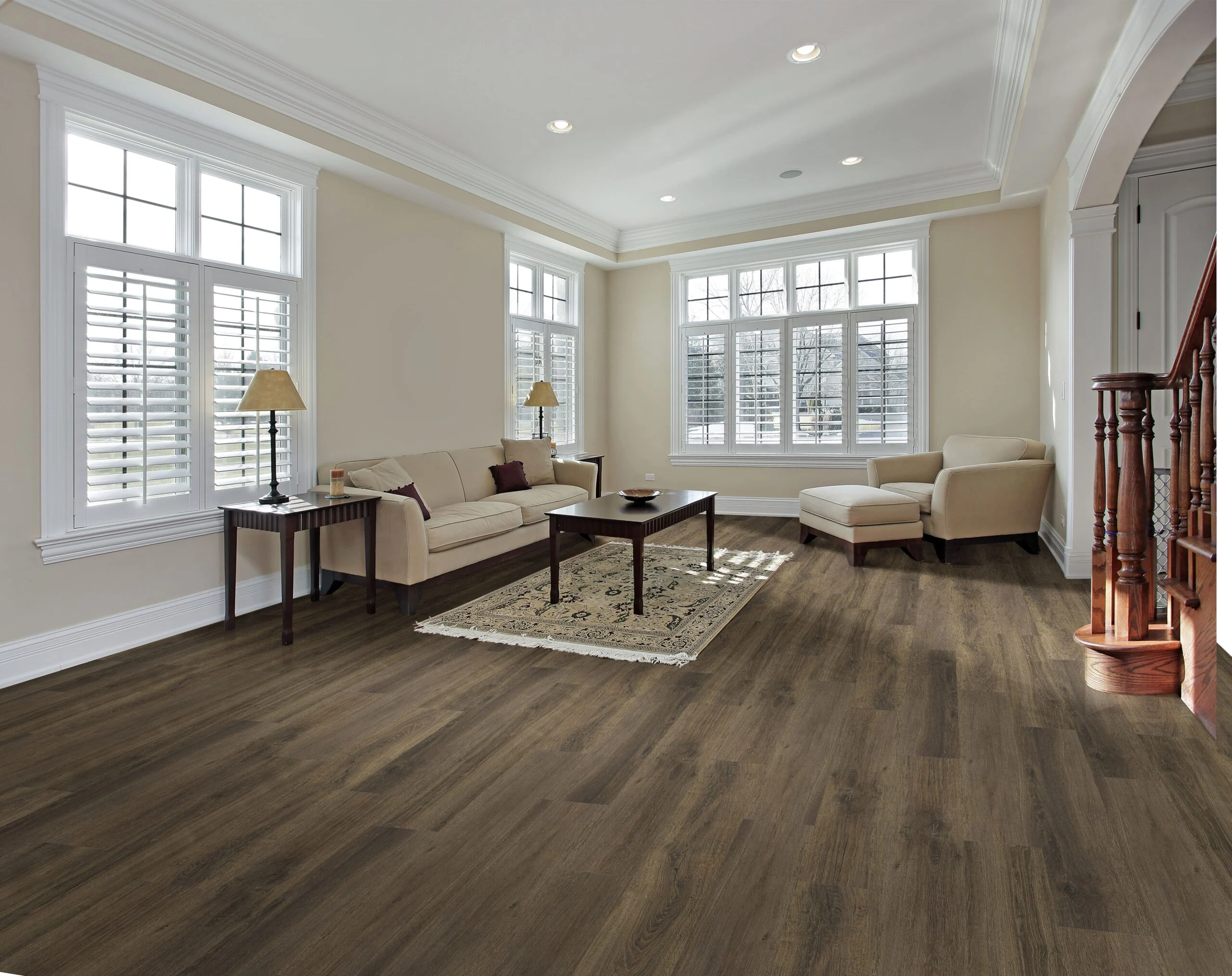
The world of flooring is evolving fast. What was once a purely functional choice is now a major design statement. In 2025, the trends are even more exciting with new technologies, materials, and finishes that combine beauty with resilience. In Kenya and across the globe, homeowners, designers, and property developers are embracing floors that are waterproof, sustainable, and striking. In this post, we’ll explore the most popular flooring trends dominating both Kenyan homes and international interiors.
With rising awareness of moisture damage and cleaning ease, waterproof floors (like SPC, waterproof vinyl, and enhanced laminates) are becoming standard. They’re ideal for bathrooms, kitchens, and even basements. SPC (Stone Polymer Composite) stands out because it combines a rigid core with total water resistance.
Designers are mixing flooring types within the same space for instance, using wood-look SPC in living rooms and matching tile or vinyl in bathrooms. This zoning gives flexibility, saves cost, and creates visual interest without harsh transitions.
Flat, glossy floors are giving way to handscraped, wire-brushed, and embossed grain textures. These finishes add tactile character and mask small scratches or wear marks better than perfectly smooth surfaces.
Longer and wider planks (e.g. plank widths of 200 mm+, lengths over 1800 mm) are growing in popularity. They reduce the number of visible seams and give rooms a more open, luxurious feel particularly in open-plan homes and offices.
Color trends lean toward soft greys, warm beiges, muted browns, and “driftwood” tones. These neutrals harmonize with modern interiors, allowing furniture, fabrics, and accent walls to shine without floor distraction.
Consumers care more about health and ecology. Floors labeled as low in formaldehyde (E1/E0 standards) or made with recycled materials attract premium buyers. SPC and vinyl factories that adopt greener processes have a competitive edge globally.
In colder climates or luxury developments, easy compatibility with underfloor heating systems is a major selling point. In Kenya, while it’s less common, new developments in highlands and luxury estates are integrating this feature, making such flooring options more desirable.
Conclusion:
Flooring trends in 2025 reflect a convergence of style, performance, and sustainability. Whether you’re in Nairobi, Mombasa, or marketing globally from Kenya, embracing these innovations can help your clients feel confident in the longevity and aesthetics of their floors. Stay ahead by offering waterproof cores, textured surfaces, neutral hues, and eco-friendly certifications and let your brand shine in the competitive world of modern flooring.





Lenana Road, Kilimani, inside the Astrol Petrol Station.
Crown Village Complex, Barnabus / Pipeline Area.
Pioneer Business Center, Kisumu Road, opposite Brookside Milk Depot.